
By effectively using producer data inputs in the Grain Trade, we provide Quality and Cost-effective food & grain supply for our Customers.
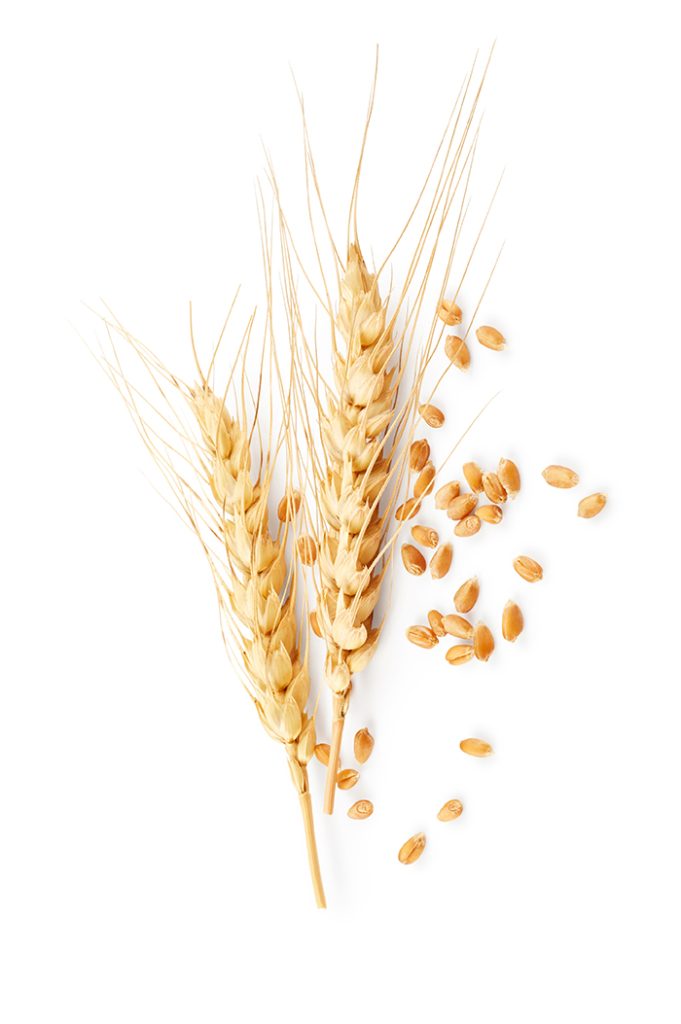
Wheat
Wheat is one of the most commonly grown and consumed grains worldwide. This cereal can be cultivated in a variety of climate conditions and is an essential food source globally. Wheat is used to make flour, which in turn is used to produce bread, pasta, cakes, biscuits, and many other baked goods. It’s also used in malt production and plays a significant role in the production of many alcoholic beverages. Wheat is high in carbohydrates and also provides a significant amount of protein and fiber. It also contains many essential minerals and vitamins, such as B vitamins, iron, magnesium, and zinc. Wheat can also be found in several different forms: whole wheat that includes the entire grain, white wheat that contains only the endosperm, and sprouted wheat that has been germinated through a special process.
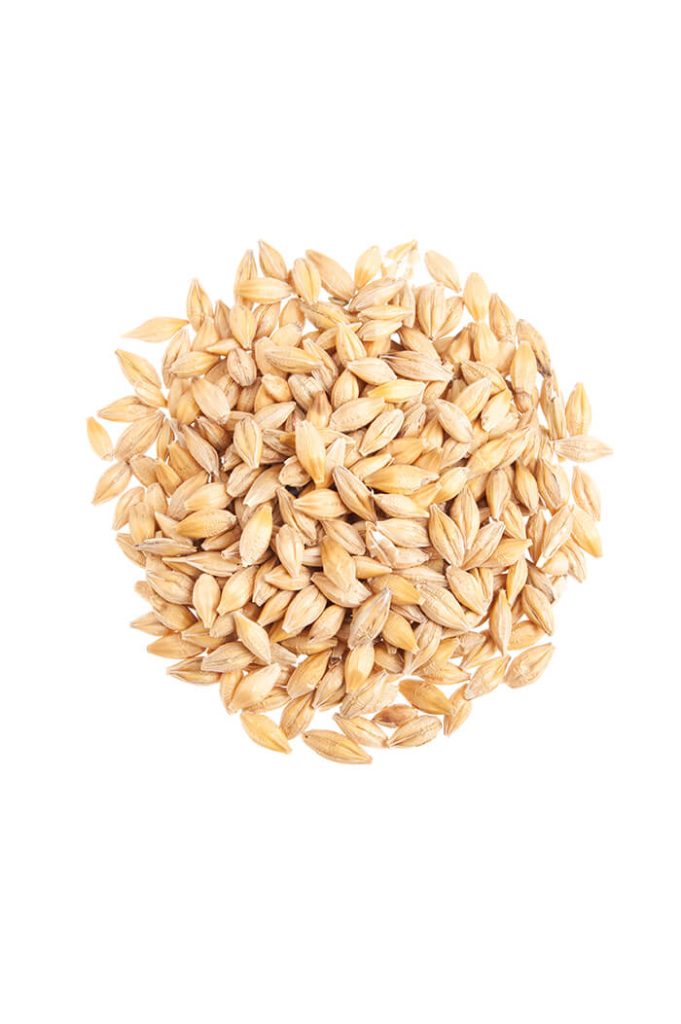
Barley
Popular cultivated grass with a planting date of more than 10 thousand years. Barley is actively used in the production of a wide range of products other than feed. Separately, it is worth noting that this grain is widely used in classic brewing. The nutritional value of this culture is its rich protein content necessary for cellular structure.
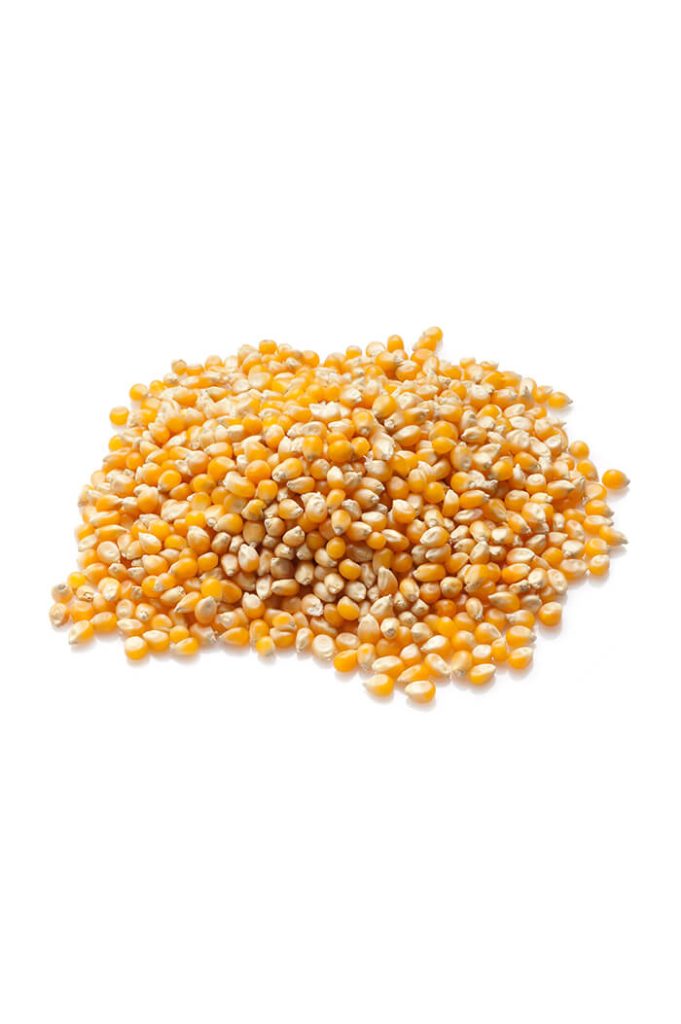
Corn
Widespread agriculture used for food and feed purposes. The main natural advantages of corn are the high content of potassium, phosphorus and vitamins of the deficient group. Corn is also used as an effective cholinergic agent in traditional medicine and pharmacology. The production of corn oil and flour is another aspect of the absolute usefulness of this crop for the food industry.
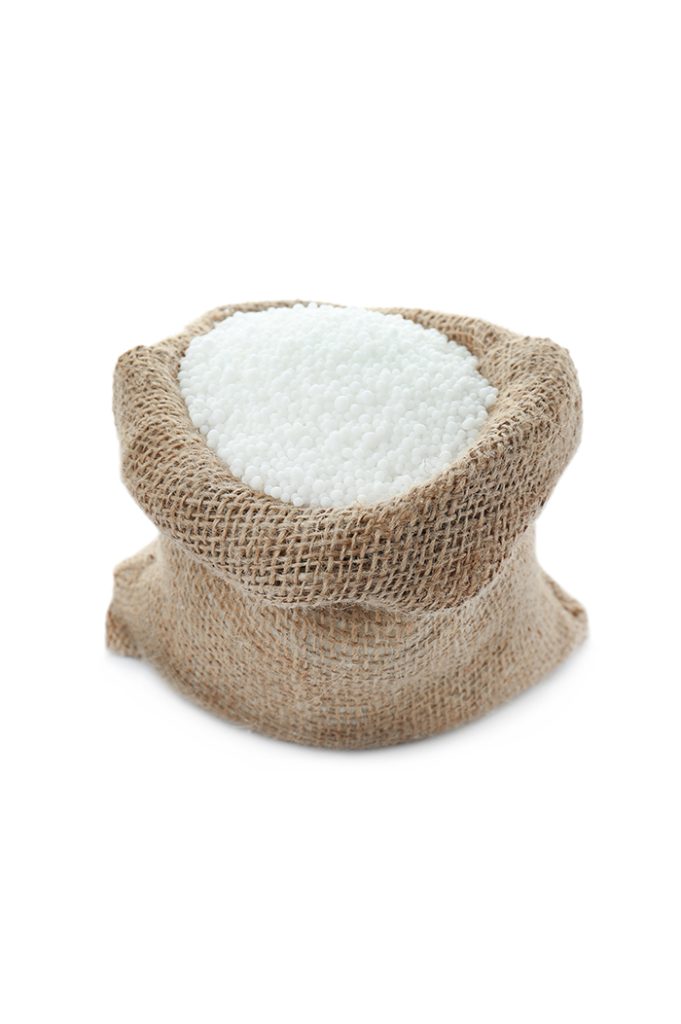
Rice
Rice is a widely cultivated cereal grain used for food and feed purposes. It is a rich natural source of carbohydrates and provides essential minerals such as iron, magnesium, and zinc, as well as B‑group vitamins. Rice plays an important role in supporting digestive health, regulating blood sugar levels, and promoting cardiovascular health. It is also valued in traditional diets and modern nutrition for its satiety and functional properties. The production of rice flour, canned products, and plant‑based ingredients highlights the significant importance of this crop in the food and processing industries.
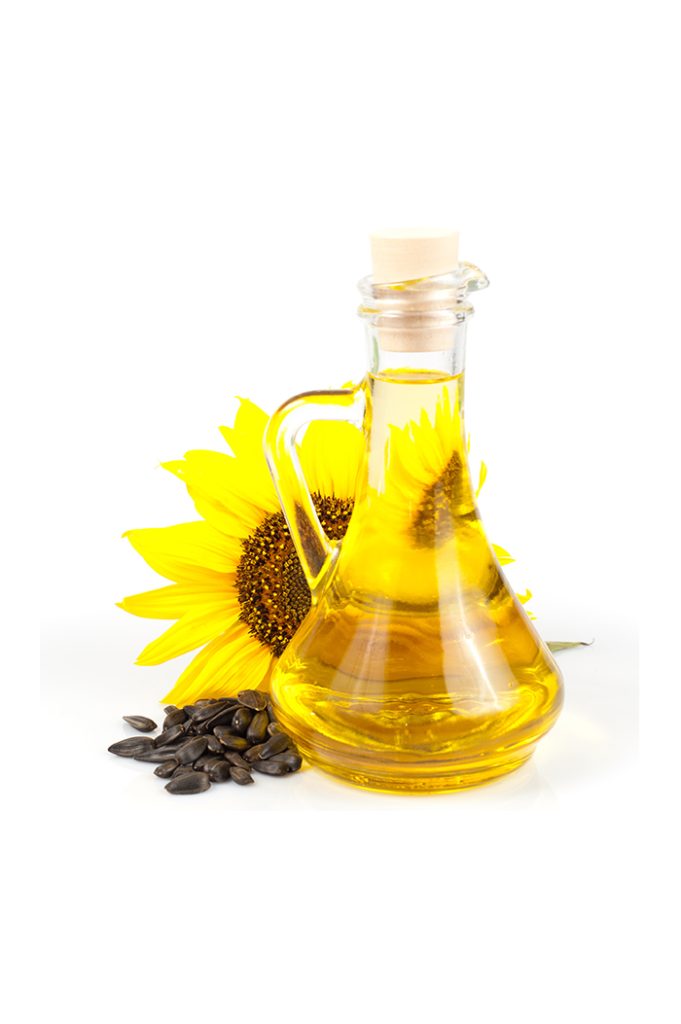
Sunflower Oil
Sunflower is an important agricultural product known for both its aesthetic appearance and its benefits. Sunflower, whose scientific name is Helianthus annuus, is grown over a wide area worldwide. Sunflower plays an important role in agricultural production. Sunflower seeds are a nutritious food source for both humans and animals. Sunflower seeds contain high amounts of protein, fiber, and essential vitamins and minerals. These seeds are also used for sunflower oil production. Sunflower oil is a commonly used oil in the kitchen and provides a range of health benefits, especially supporting heart health.
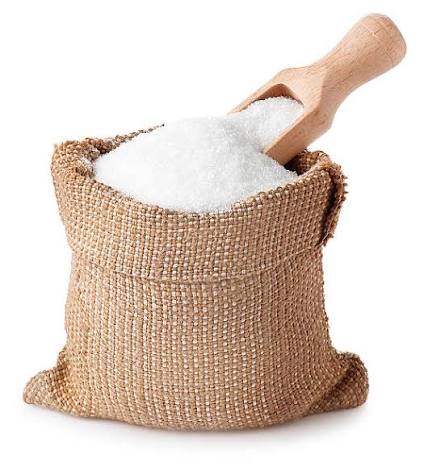
Sugar
Sugar is a widely consumed sweetener derived from sugarcane or sugar beets, used extensively in food and beverage applications. It is a pure carbohydrate source, providing quick-release energy in the form of sucrose. While it does not contain significant amounts of protein, fiber, or minerals, white sugar plays a crucial role in food processing, contributing to sweetness, texture, browning, and preservation. In moderation, it serves as an immediate energy source, though its role in modern nutrition is often discussed in the context of balanced dietary intake. The production of granulated sugar, icing sugar, and liquid syrups underscores the significant importance of this commodity in the food and confectionery industries.
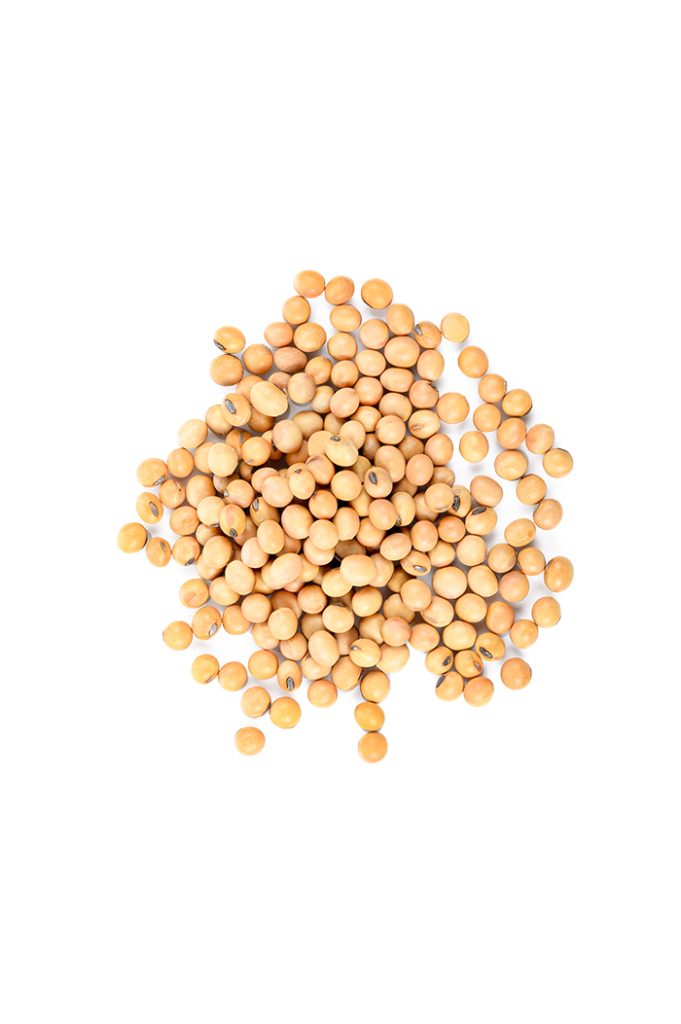
Soybean
Soybean is the seed of a plant species known by the scientific name Glycine max. This plant, originally from Asia, is cultivated worldwide. Soybeans are highly nutritious due to their high protein content and significant amounts of fiber, vitamins, and minerals. Also, as a source of plant protein, they are commonly used to produce meat alternatives and dairy products. Various processes can be applied to soybeans to produce many different products, such as soy oil, soy flour, tofu, soy milk, miso, tempeh, and soy protein. Soy oil is one of the most widely used vegetable oils worldwide. Additionally, soy is an important component in the production of animal feed.
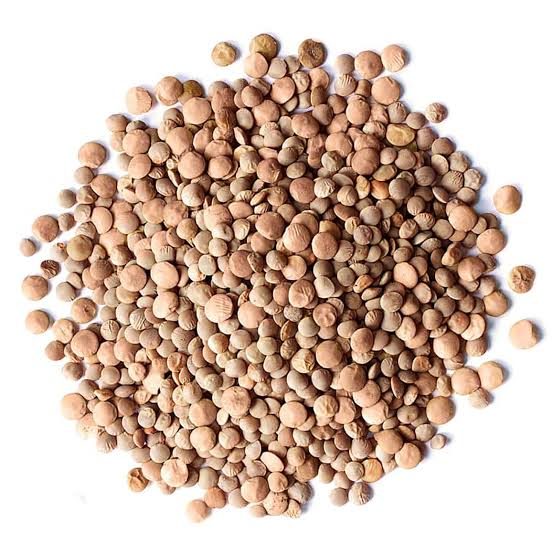
Lentils
Lentils are widely cultivated legumes used for food and feed purposes. They are a rich natural source of plant protein, dietary fiber, and essential minerals such as iron, magnesium, and zinc, as well as B‑group vitamins. Lentils play an important role in supporting digestive health, regulating blood sugar levels, and promoting cardiovascular health. They are also valued in traditional diets and modern nutrition for their satiety and functional properties. The production of lentil flour, canned products, and plant‑based protein ingredients highlights the significant importance of this crop in the food and processing industries.